Monitor Brazil's primary and nominal fiscal balances alongside gross and net general-government debt as a percentage of GDP.
The Brazil Fiscal Outlook dashboard tracks the gross general-government debt as a percentage of GDP, which indicates the total outstanding liabilities of the government. A rising gross debt to GDP ratio can signal increased fiscal pressure and potential challenges in managing public finances, especially during recession periods.
Net debt, as presented in the Brazil Fiscal Outlook dashboard, adjusts the gross debt by accounting for government financial assets. This distinction is crucial for investors as it provides a clearer picture of the government's actual financial position and its ability to meet obligations, highlighting the net debt to GDP ratio.
The Brazil Fiscal Outlook dashboard includes historical data that illustrates how Brazil's gross and net debt to GDP ratios change during recession periods. Analyzing these trends helps investors understand the impact of economic downturns on public finances and the government's fiscal sustainability.
This dashboard tracks Brazil's 12-month accumulated primary and nominal fiscal balances, as well as general-government gross and net debt, as a percentage of gross domestic product. The primary balance excludes interest expenses, while the nominal balance includes them. Gross debt measures the government's outstanding liabilities under the methodology used from 2008 onward, and net debt adjusts those liabilities for relevant government financial assets. Brazilian recession periods provide macroeconomic context for changes in the fiscal balances and public debt ratios.
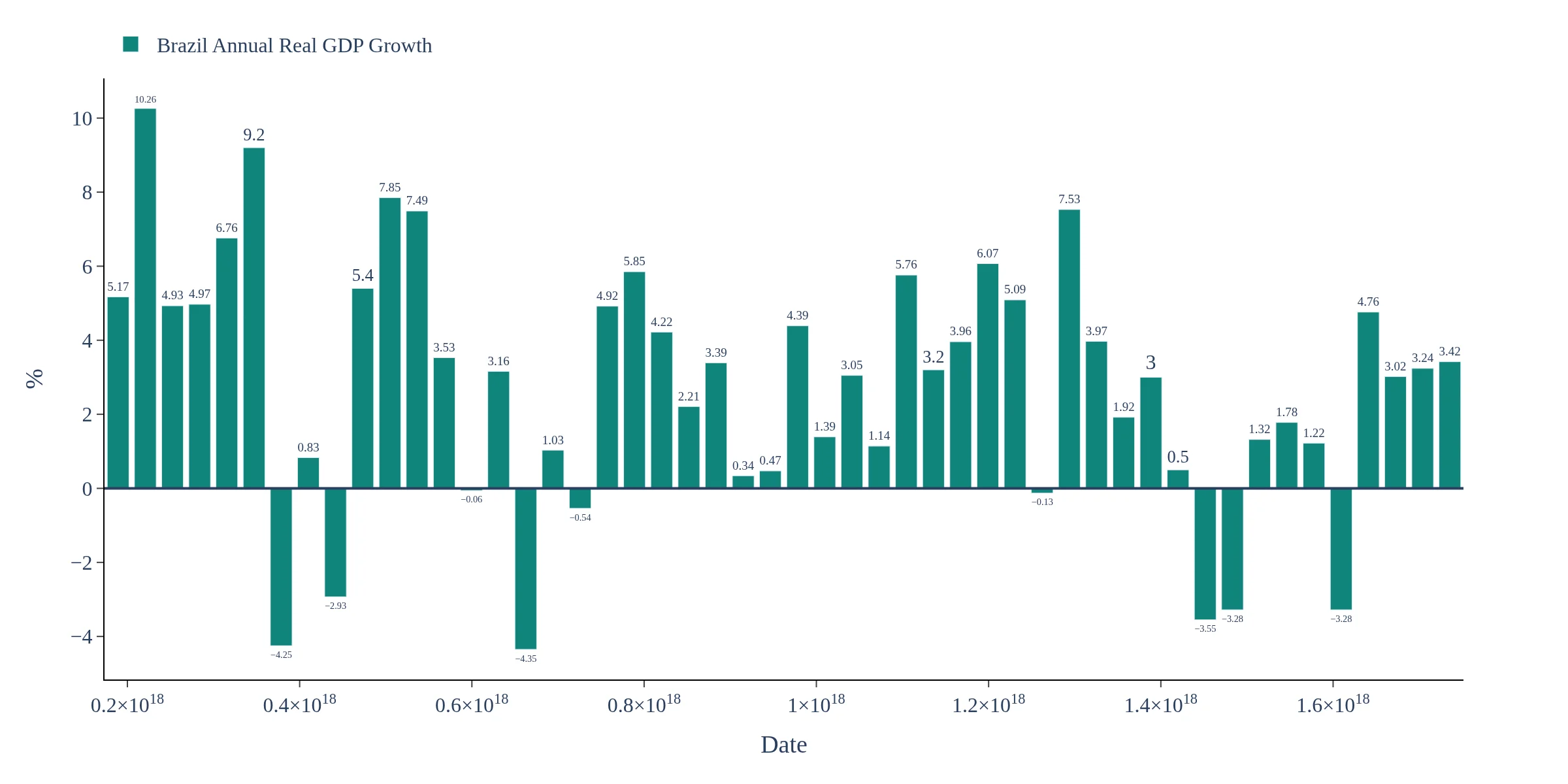
Evidence-first Brazil GDP growth tracking.
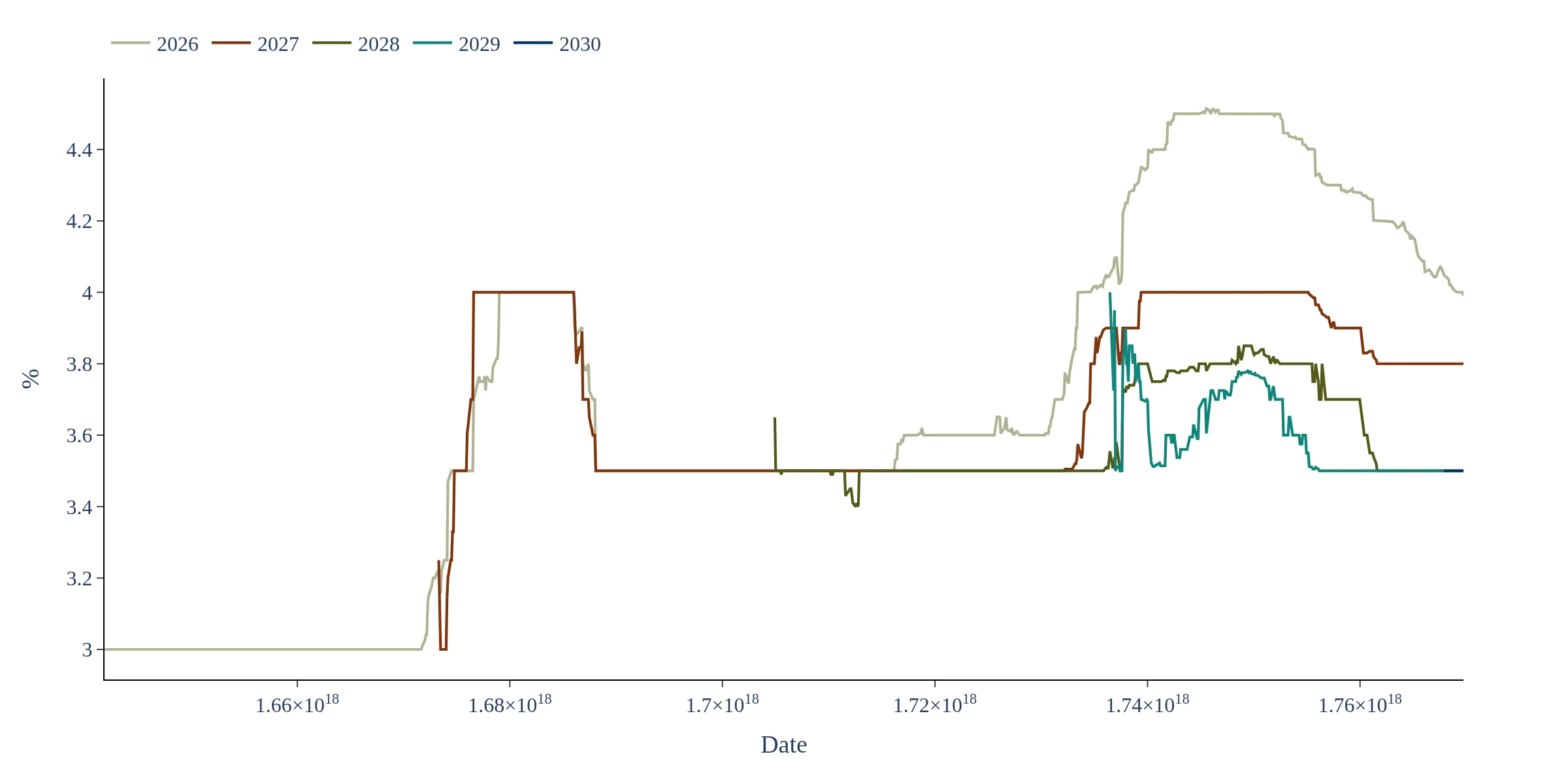
Check out details on the BCB's FOCUS report
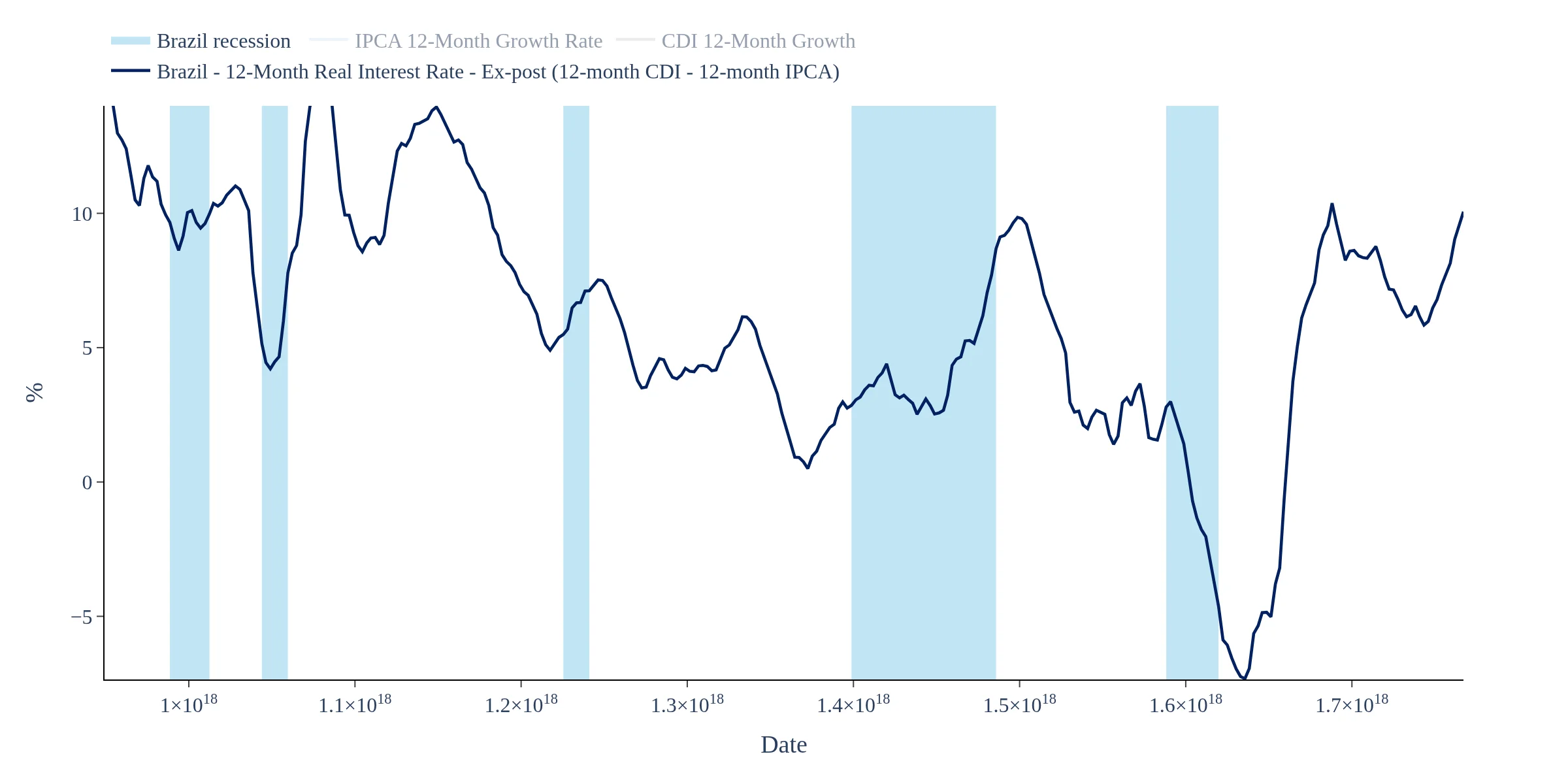
Track how are real interest rates in Brazil, from an ex-post perspective (realized 12-month benchmark rate growth - 12-month inflation)