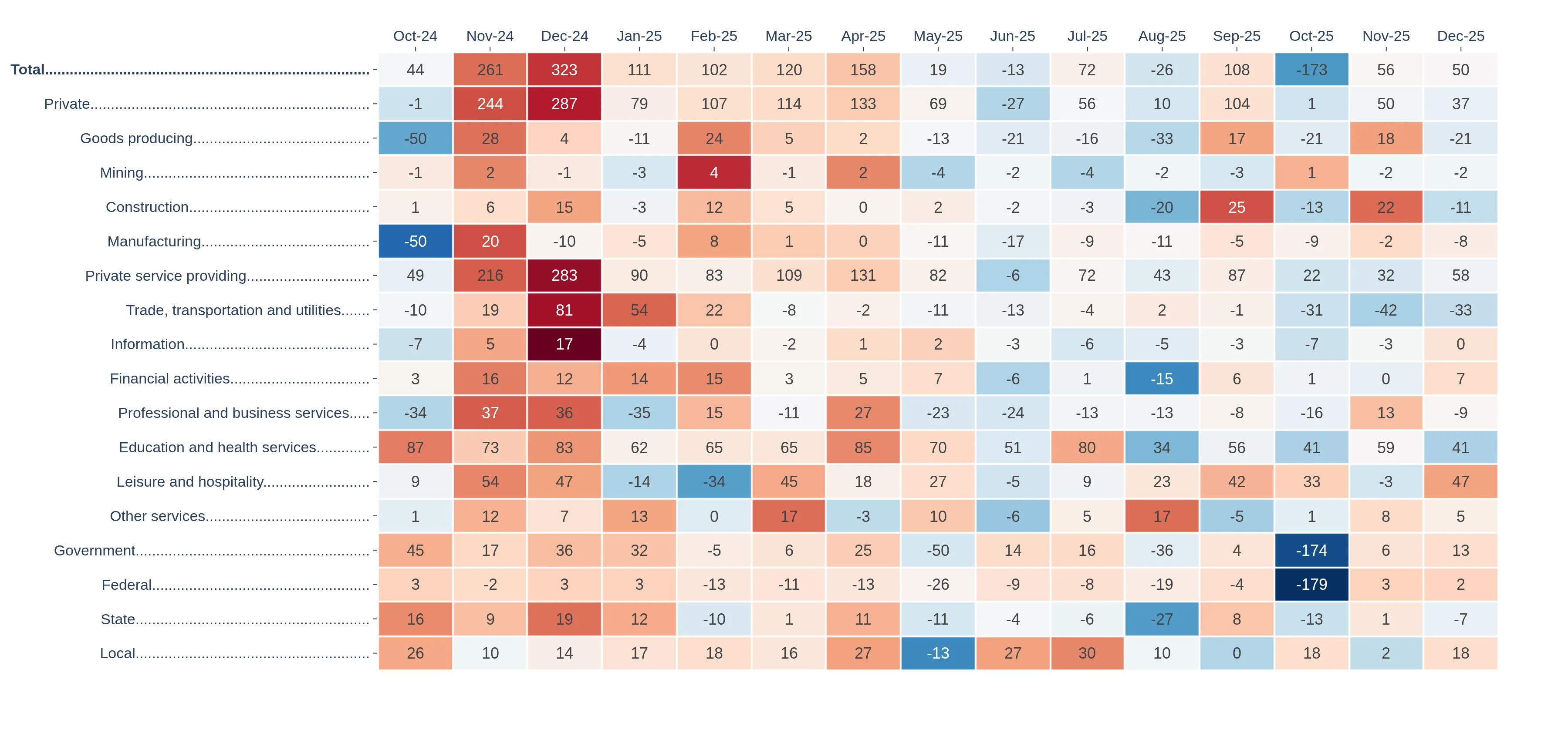
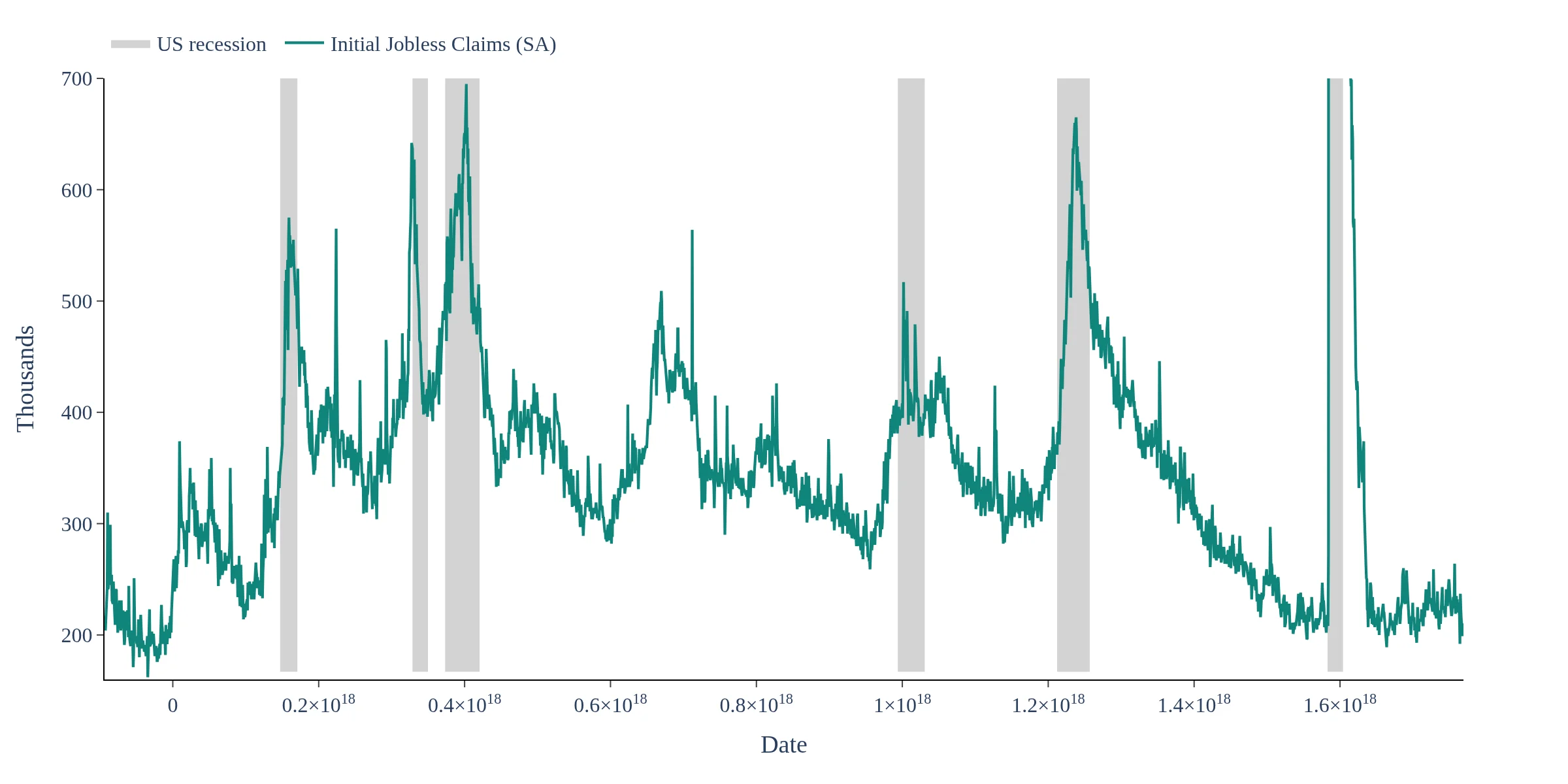
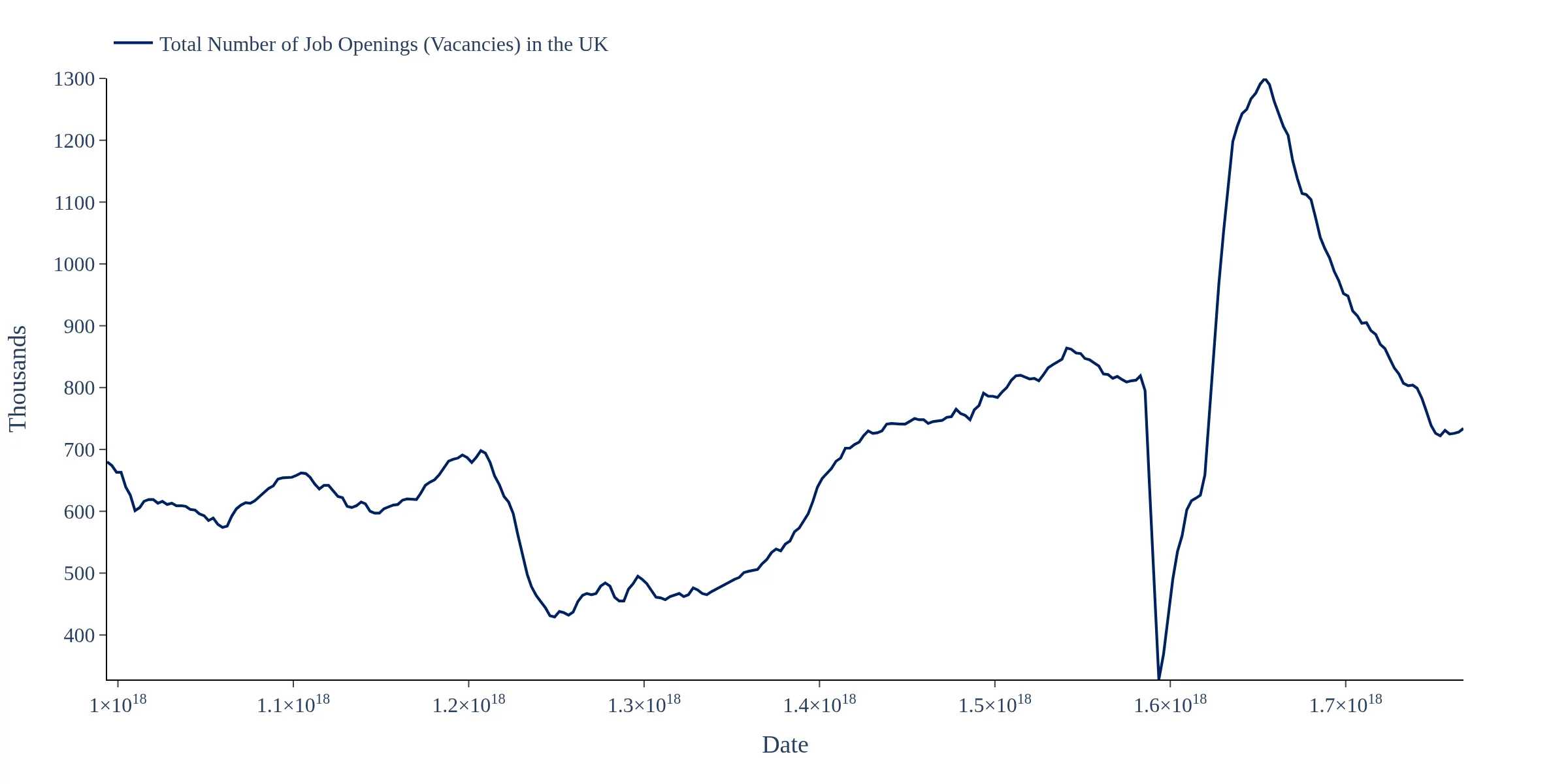
Dashboard consolidating the most relevant information on the US JOLTS Jobs Reports.
The US JOLTS Dashboard provides critical insights into labor market tightness by tracking job openings, hires, quits, and layoffs. By analyzing these metrics, investors can gauge hiring momentum and wage-pressure signals that influence Federal Reserve policy and interest rates.
The US JOLTS Dashboard allows users to monitor key trends such as the total number of job openings, quits, and hires, as well as the vacancy rate. These indicators are essential for understanding labor demand dynamics and potential economic shifts, helping traders and analysts make informed decisions.
Data on the US JOLTS Dashboard is updated monthly following the Bureau of Labor Statistics (BLS) release. This ensures that users have access to the most current employment data and economic indicators to inform their market strategies.
This dashboard tracks the US JOLTS report using official data from the Bureau of Labor Statistics (BLS). JOLTS (Job Openings and Labor Turnover Survey) provides monthly measures of job openings, hires, quits and layoffs, offering a detailed view of labor demand and worker turnover. The dashboard highlights trends and turning points in these series to assess labor market tightness and cooling dynamics beyond headline payrolls. Data is updated after each monthly BLS release and presented with historical context for fast interpretation. Use it to monitor hiring momentum, wage-pressure signals and implications for Fed policy, rates and risk assets.