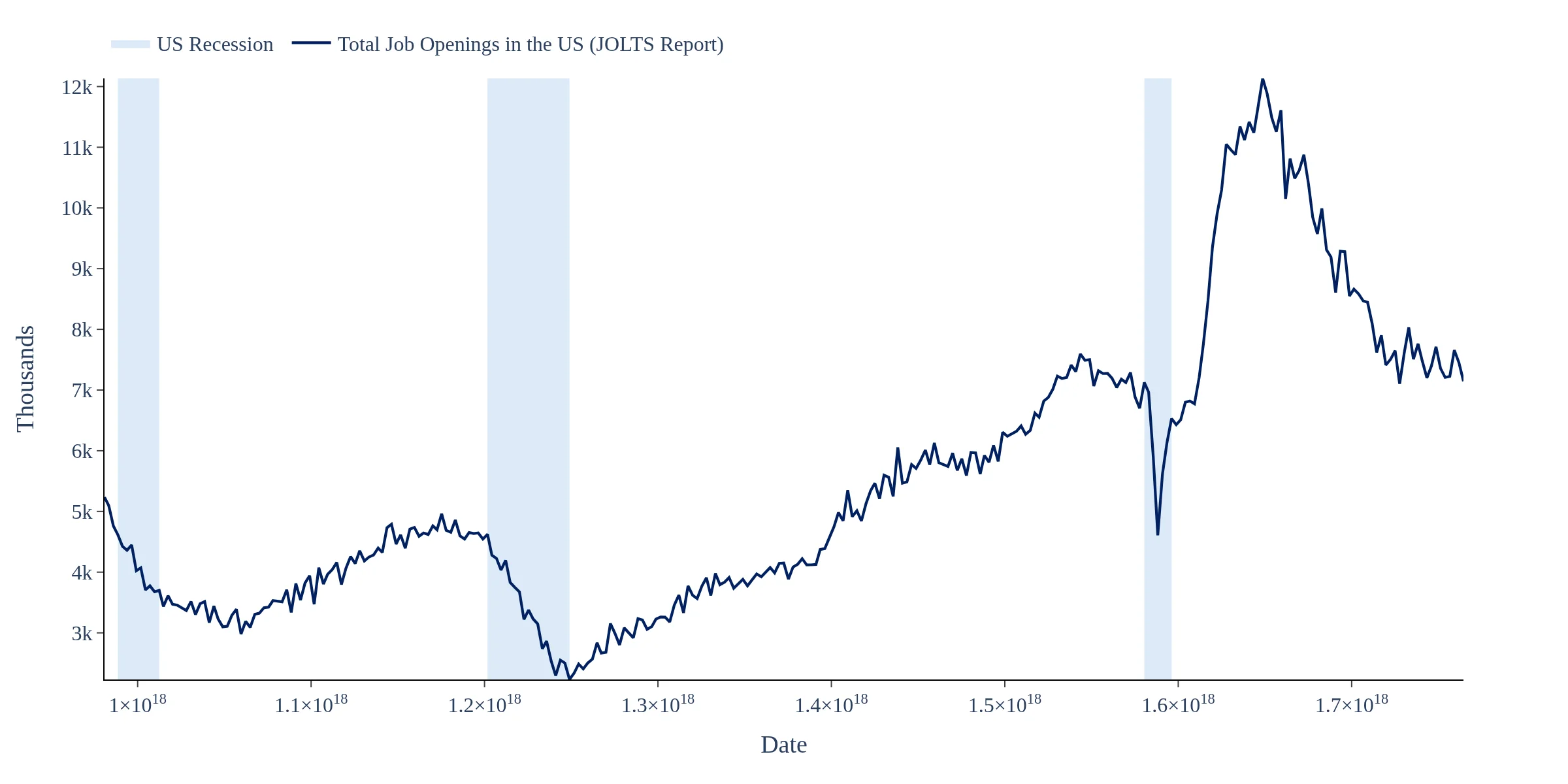
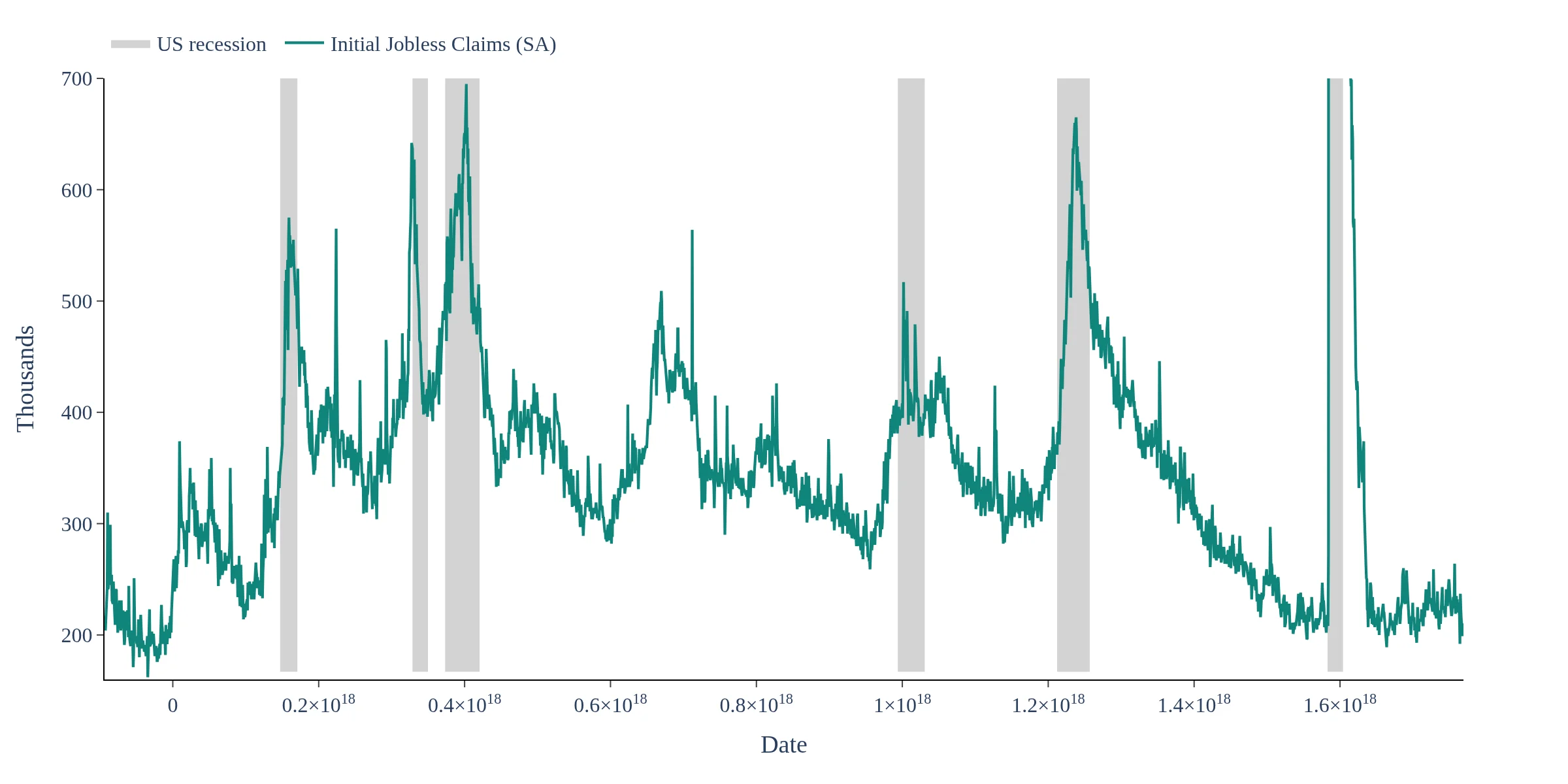
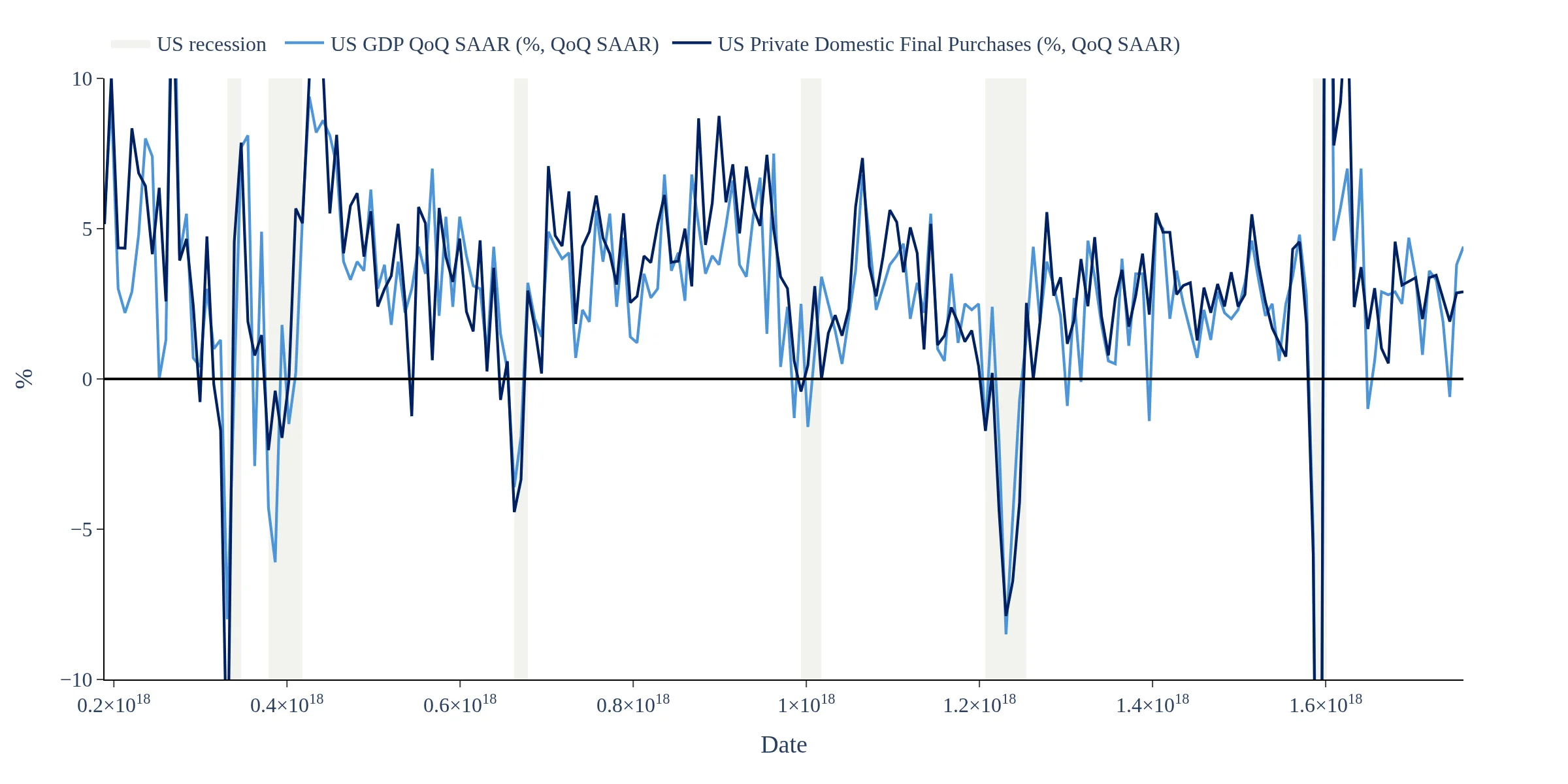
Dashboard consolidating the most relevant information pieces inside the Non-Farm Payroll Jobs Report. Source: BLS — updated monthly.
The US Non-Farm Payroll (NFP) report is the monthly labor market release from the Bureau of Labor Statistics (BLS). The headline payroll figure measures the monthly change in jobs from the Establishment Survey, while the same report also includes key indicators such as the unemployment rate and wage growth. It is one of the most market-moving US macro releases because it summarizes hiring momentum and labor market tightness.
Payroll estimates are revised as the BLS receives more complete survey responses from employers. Each month, the prior two months are typically revised, and once per year there is a larger benchmark revision that aligns the payroll level with more comprehensive administrative records. That’s why investors watch both the new headline print and the net revisions to recent months.
Average Hourly Earnings (AHE) is a wage measure from the Establishment Survey included in the jobs report. Markets track AHE because wage growth is closely linked to services inflation and labor cost pressure. Strong wage growth can reinforce “higher for longer” rate expectations, while cooling wage momentum may signal easing inflation pressure and a less restrictive policy outlook over time.
This dashboard summarizes the US Non-Farm Payroll (NFP) jobs report using monthly data from the Bureau of Labor Statistics (BLS). It aggregates payroll employment changes across major sectors and highlights key labor market indicators such as the unemployment rate, labor force participation and other headline measures from the Employment Situation release. Data is updated each month when the BLS publishes the report and is presented in a clear, visual format for fast interpretation. Use it to track hiring momentum, sector leadership, labor market tightness and turning points in the US economy. The goal is a structured, investor-friendly view of the NFP report for macro, rates and equity analysis.