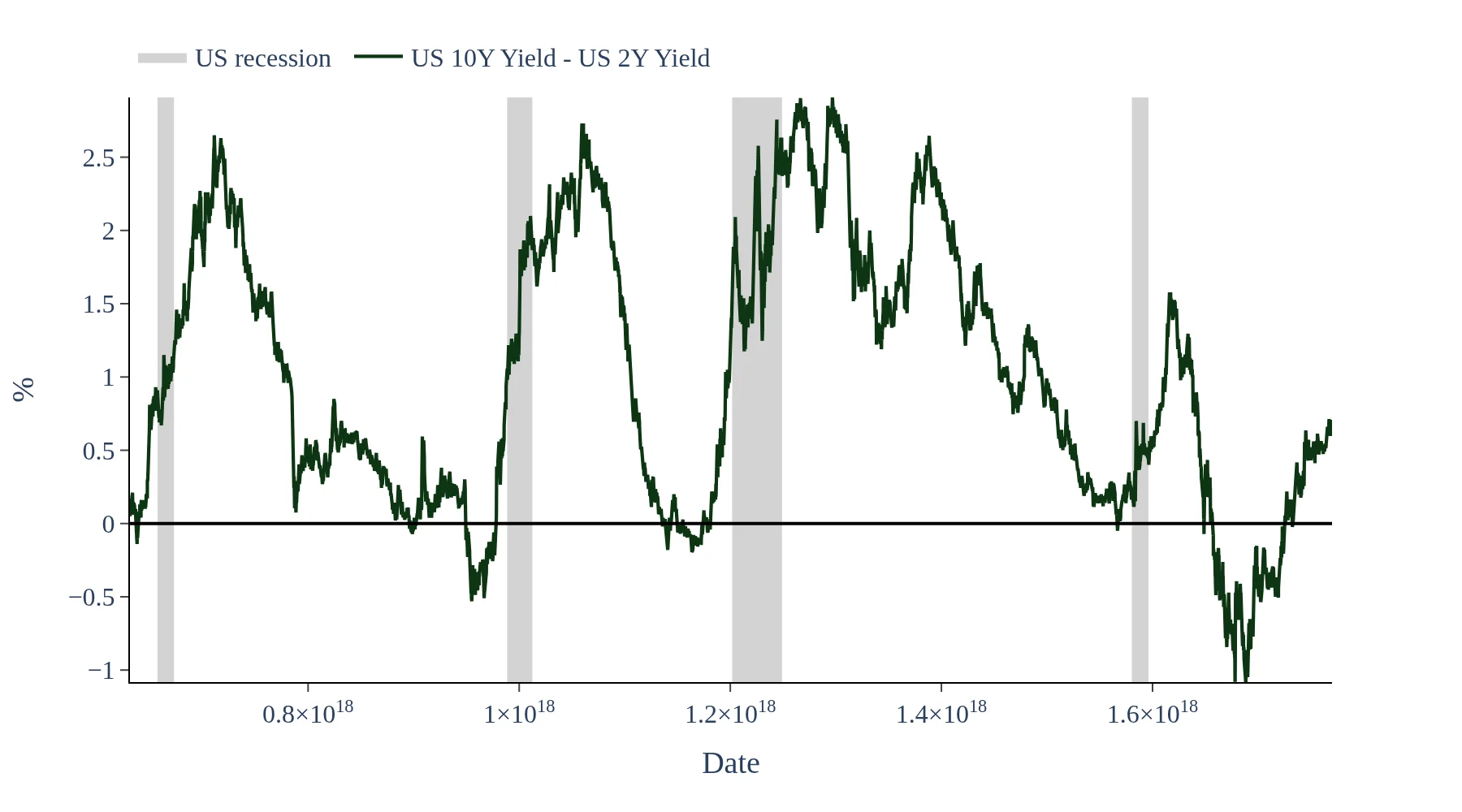
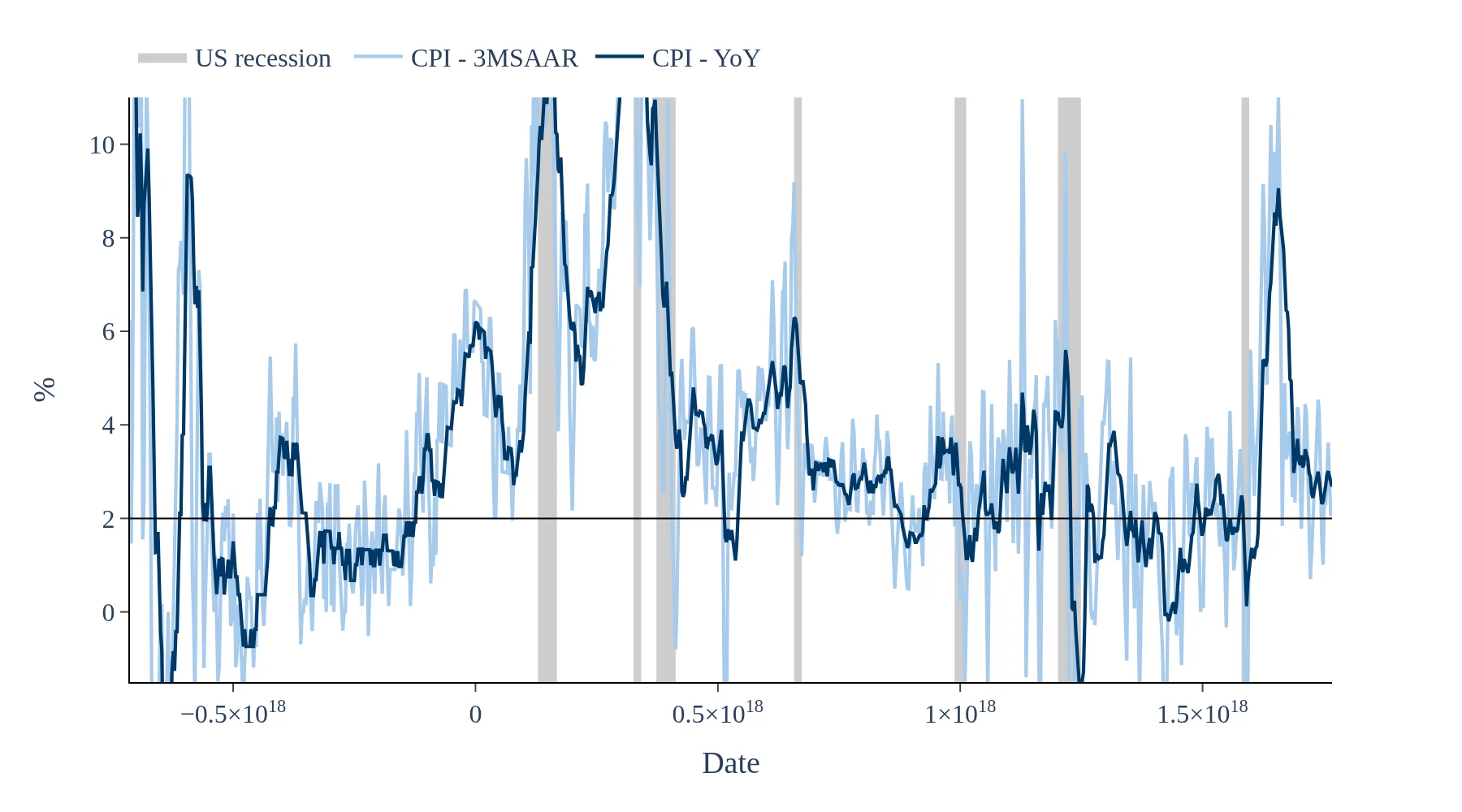
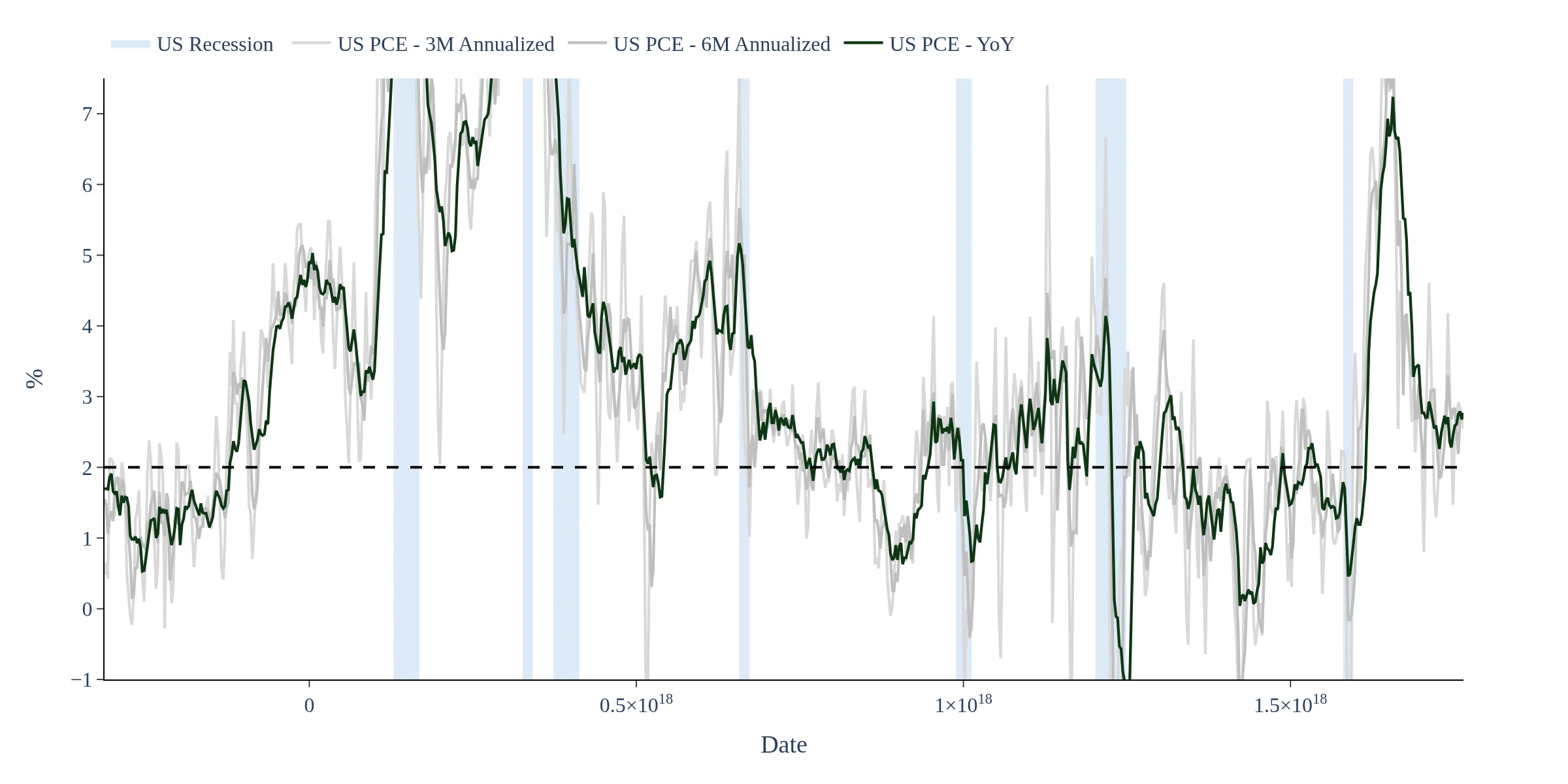
Dashboard consolidating the main US GDP numbers. Source: BEA.
The US GDP Dashboard provides comprehensive data on quarterly GDP growth rates, allowing traders and analysts to identify growth trends and turning points in the US economy. By utilizing the dashboard's historical context and updated data from the Bureau of Economic Analysis (BEA), you can assess the implications for Federal Reserve policy, interest rates, and market conditions.
The US GDP Dashboard emphasizes the annualized growth rate of US GDP and private domestic final purchases, both seasonally adjusted. These metrics are crucial for understanding the overall economic performance and consumer spending patterns, which can influence investment strategies and market forecasts.
Data on the US GDP Dashboard is updated quarterly following each release from the Bureau of Economic Analysis (BEA). This ensures that users have access to the most current economic indicators, enabling timely analysis of growth cycles and their potential impact on financial markets.
This dashboard tracks US GDP using official national accounts data published by the Bureau of Economic Analysis (BEA). US GDP is released on a quarterly basis (with multiple estimates per quarter) and provides the broadest measure of US economic growth. The dashboard highlights growth trends, turning points and key dynamics over time to support macro and market interpretation. Data is updated after each BEA GDP release and presented with clear historical context. Use it to monitor the US growth cycle and assess implications for Fed policy, rates, equities and overall risk conditions.